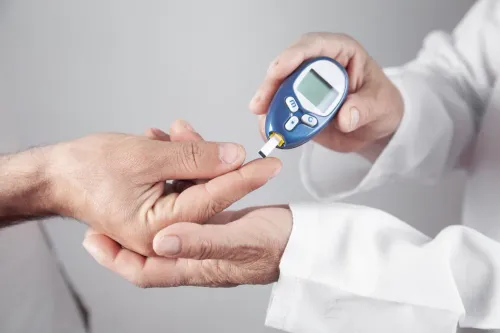
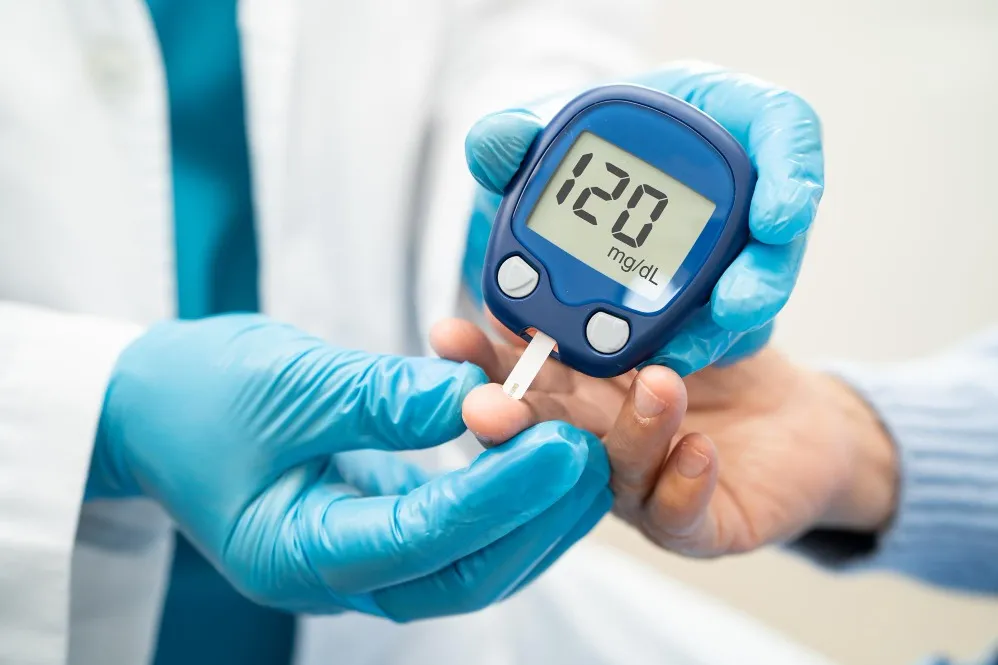
Searching for the Best Diabetes Doctor in Vashi is often prompted by a new diagnosis, fluctuating readings or dissatisfaction with an existing treatment plan. However, the right doctor cannot be selected from a promotional claim alone.
Patients should evaluate the quality of the consultation, the clarity of the treatment plan and the support available between appointments.
1. Does the Doctor Review More Than HbA1c?
HbA1c is important because it reflects average blood glucose over approximately two to three months. It does not explain every high or low reading, nor does it provide a complete picture of metabolic health.
A thorough review may also include:
- Fasting and post-meal readings
- Blood pressure
- Weight changes
- Cholesterol
- Kidney and liver health
- Medication side effects
- Hypoglycaemia risk
- Foot, eye and nerve symptoms
- Sleep and physical activity
This wider assessment helps identify priorities that a single laboratory value may miss.
2. Are Treatment Goals Personalised?
An older adult living alone may require a different approach from a younger adult with recently diagnosed type 2 diabetes. Pregnancy, kidney disease, heart disease and previous episodes of low blood sugar can also affect treatment decisions.
A responsible doctor explains why a particular target is being recommended instead of applying one number to every patient.
3. Is the Treatment Plan Practical?
Medical advice is only useful when it can be followed consistently. The doctor should consider working hours, travel, family meals, religious fasting, exercise capacity and access to healthy food.
Patients in Vashi may have demanding office schedules or long commutes across Navi Mumbai. A realistic plan should account for these circumstances rather than depend on an ideal routine that is difficult to sustain.
4. Are Medicines Explained Properly?
Patients should know the purpose of each medicine, when it should be taken and what side effects require medical attention. They should also understand whether a medicine needs to be taken with food and what to do if a dose is missed.
Treatment should not be copied from another patient. Two people with similar glucose readings may have different health histories and therefore need different medicines.
5. Does the Doctor Address Nutrition and Weight?
Food, activity and weight can strongly influence type 2 diabetes, but simplistic advice such as “avoid sugar” is rarely enough.
Look for guidance that covers portions, meal composition, protein, fibre, eating outside the home and the relationship between medication timing and meals. If weight reduction is recommended, the plan should be medically appropriate and nutritionally balanced.
6. Is Follow-Up Clearly Defined?
Diabetes management requires review over time. Ask how often follow-up is likely to be needed and which tests should be completed before returning.
A good follow-up system should help the doctor determine whether:
- Glucose control is improving
- Treatment is being tolerated
- Low readings are occurring
- Weight is changing safely
- Additional screening is due
- The plan needs adjustment
7. Are Warning Signs Discussed?
Patients should know when not to wait for a routine appointment. Persistent vomiting, severe weakness, confusion, breathing difficulty, loss of consciousness or very high or low glucose accompanied by symptoms may require urgent medical attention.
Advanced Diabetes and Weight Loss Clinic supports patients looking for structured diabetes care in Vashi, Maharashtra. When choosing a doctor, prioritise careful assessment, understandable communication and continuity of care. The best clinical relationship is one in which the patient knows what to do, why it matters and when the plan should be reviewed.
Keywords