A high reading does not automatically prove hypertension, and the right treatment depends on age, pregnancy status, kidney function, diabetes, frailty and existing heart disease. You will learn how blood pressure is confirmed, which readings need action, how medicines are selected and when to seek emergency care.
Key takeaways
- Confirm hypertension with repeated, correctly measured readings.
- Children need age, sex and height-based blood-pressure interpretation.
- Pregnancy, diabetes and kidney disease change treatment choices.
- Call emergency services for severe readings with warning symptoms.
Which blood-pressure readings count, and how is hypertension confirmed?
For adults, blood-pressure categories are:
| Category | Systolic | Diastolic |
|---|---|---|
| Elevated | 120–129 mmHg | Below 80 mmHg |
| Stage 1 hypertension | 130–139 mmHg | 80–89 mmHg |
| Stage 2 hypertension | 140 mmHg or higher | 90 mmHg or higher |
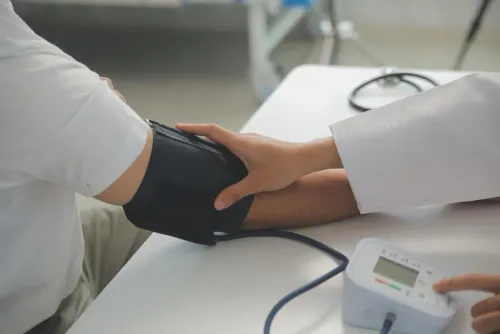
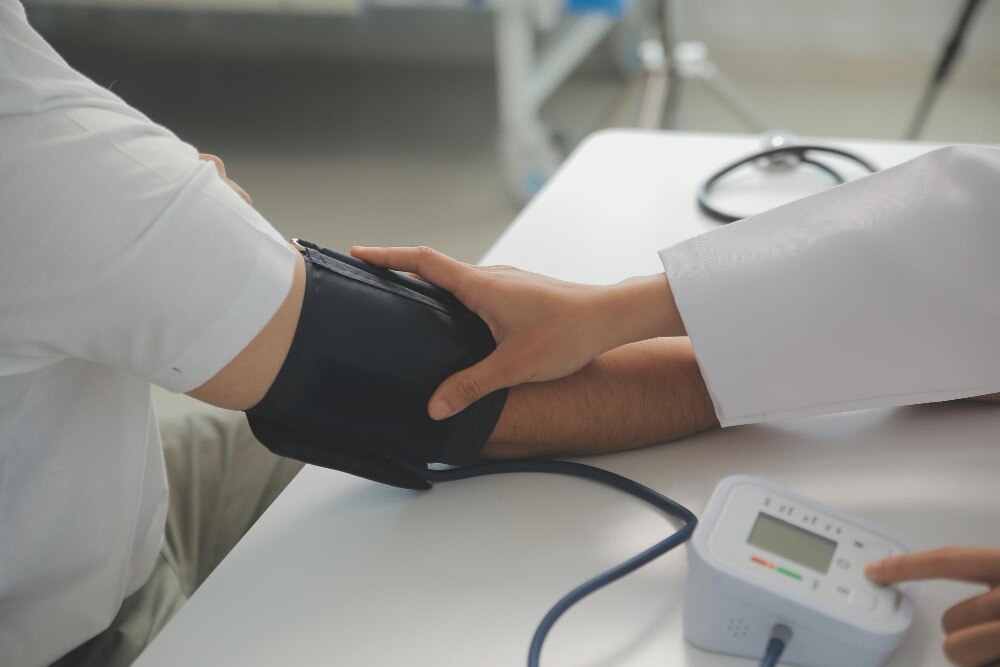
A single high reading does not confirm hypertension. Measure accurately: avoid caffeine, smoking and exercise for 30 minutes, rest quietly for 5 minutes, use a validated upper-arm cuff of the correct size, support your arm at heart level, and take two readings one minute apart.
Wrist and finger devices are less reliable because small changes in position can distort the result.
For a reliable home log, take two readings in the morning and two in the evening for at least four days, preferably seven. Discard the first day, then average the remaining readings.
This helps identify white-coat hypertension, where clinic readings are high but home readings are lower, and masked hypertension, where clinic readings look normal but home readings are high.
NICE generally confirms a clinic reading of 140/90 mmHg or higher with 24-hour ambulatory monitoring, or home monitoring when ambulatory monitoring is unsuitable. Persistent clinic readings of 160/100 mmHg or higher commonly prompt drug treatment, although diabetes, kidney disease, cardiovascular risk or organ damage can lower that threshold.
A reading of 180/120 or higher requires repeat measurement after a short rest and urgent assessment.
How do decisions change for children, teenagers, younger adults and pregnancy?
The right pathway depends on age, pregnancy status and the reason for the high reading.
| Group | Clinician | Treatment pathway |
|---|---|---|
| Children | Paediatrician; paediatric nephrologist when kidney causes or persistent hypertension are suspected | Interpret readings by age-, sex- and height-specific percentiles, not adult cutoffs. Confirm with repeated auscultatory readings and a correctly sized cuff. |
| Teenagers aged 13 and above | Paediatrician or appropriately trained physician | Adult-style thresholds are commonly used, but repeated readings and medical context still guide diagnosis and treatment. |
| Adults under 40 | Physician; specialist referral when indicated | Persistent, severe or resistant hypertension warrants assessment for kidney disease, endocrine disorders, sleep apnoea, medicines and recreational drugs, rather than assuming ordinary essential hypertension. |
| Pregnancy | Obstetrician, with medical input when needed | New hypertension after 20 weeks can indicate gestational hypertension or pre-eclampsia. Use pregnancy-safe medicines; ACE inhibitors, ARBs and direct renin inhibitors are contraindicated. |
A child with severe readings and symptoms needs urgent hospital assessment, not a routine appointment. A paediatrician will decide whether blood tests, urine testing, imaging or specialist review is needed.
During pregnancy, headache, visual disturbance, upper-abdominal pain, vomiting, sudden swelling or abnormal laboratory results requires prompt obstetric assessment. Do not wait for a hypertension doctor in Navi Mumbai if these signs appear.
For adults younger than 40, finding a treatable secondary cause can change the entire plan. Resistant or early-onset hypertension deserves investigation before simply adding medicines.
What changes for older adults, people aged 80 or above, diabetes and kidney disease?
1. For an older adult, check a standing blood pressure before intensifying treatment. Record it after the person rests seated, then again within three minutes of standing; a fall of at least 20 mmHg systolic or 10 mmHg diastolic indicates orthostatic hypotension and may call for a medication review.
Ask about falls, dizziness, kidney function and personal treatment goals.
2. At age 80 or above, frailty, cognition, mobility, appetite and treatment tolerance matter as much as the clinic number. Do not apply one target to everyone: preventing a fall, confusion or weakness may outweigh pursuing a lower reading. Existing heart disease can also justify starting medicine at a lower pressure level.
3. Diabetes requires a cardiovascular-risk review alongside blood-pressure treatment. Check a urine albumin-to-creatinine ratio, estimated glomerular filtration rate and electrolytes because these results affect drug choice and monitoring. Albuminuria can favour an ACE inhibitor or an angiotensin-receptor blocker (ARB), but never combine the two.
4. Chronic kidney disease decisions use albuminuria and kidney function, not blood pressure alone. A standardized office systolic target below 120 mmHg can suit some adults when tolerated, but not automatically someone who is frail, symptomatic or measured with routine non-standardized technique.
A blood pressure specialist in Navi Mumbai can help align the target with organ function, symptoms and treatment goals.
Which medicines are used, and what monitoring do they require?
Most plans use an ACE inhibitor, ARB, calcium-channel blocker or thiazide-like diuretic first. A beta blocker is usually reserved for selected needs, such as certain heart conditions or heart-rate control.
| Medicine class | Practical effects | Monitoring |
|---|---|---|
| ACE inhibitor or ARB | Useful with albuminuria; do not combine both | Check creatinine and potassium after starting or changing the dose |
| Thiazide-like diuretic | Lowers pressure through increased urine output | Check sodium, potassium and kidney function |
| Calcium-channel blocker | Ankle swelling, flushing or headache can occur | Review symptoms and blood pressure |
| Beta blocker | Slower pulse, fatigue or dizziness | Check pulse, symptoms and the reason for treatment |
Doctors match the choice to age, pregnancy, diabetes, urine albumin, kidney function, potassium, heart disease and other medicines. Pregnancy requires different choices: ACE inhibitors, ARBs and direct renin inhibitors are contraindicated.
When pressure is substantially above target, starting two medicines in one combination pill can reduce treatment delay and make daily use easier. Do not add, remove or halve tablets yourself.
Report faintness, persistent dizziness, ankle swelling or a very slow pulse. Stopping a beta blocker suddenly can trigger a rapid heartbeat or worsen angina; stopping other medicines without advice can let pressure rebound.
Resistant hypertension means uncontrolled pressure despite an appropriate three-drug regimen at tolerated doses, after confirming accurate readings, adherence and no white-coat effect. The review includes NSAIDs, decongestants, steroids, oral contraceptives, stimulants, excess alcohol and secondary causes. A clinician can tailor this review if you are comparing hypertension treatment near me.
When is a local appointment appropriate, and when is it an emergency?
A reading of 180/120 mmHg or higher needs a short rest, a repeat measurement and urgent clinical assessment, even if you feel well. Do not wait for a routine visit if you have chest pain, breathlessness, confusion, weakness or numbness, vision change or loss, severe headache, a seizure or markedly reduced urine output.
Go to an emergency hospital.
For high blood pressure treatment in Navi Mumbai, arrange a routine appointment when readings remain high but you have none of these warning signs. Advanced Diabetes & Weight Loss Clinic can help organise repeated readings, medication review, kidney and diabetes checks, standing measurements and age-specific follow-up. Bring:
- A seven-day home blood-pressure log
- Your complete medicine and supplement list
- Previous blood and urine reports
- Details of recent caffeine, smoking, exercise, pain, anxiety or missed doses
Recent caffeine, smoking, exercise or pain, anxiety during measurement, and an undersized cuff can produce a falsely high result. Check the cuff size and repeat the reading correctly rather than changing a dose yourself.
Search for a blood pressure specialist in Navi Mumbai or hypertension treatment near me for planned care, not for emergency symptoms. A hypertension doctor in Navi Mumbai treats a hypertensive emergency only alongside urgent hospital assessment: the emergency is severe pressure plus possible acute organ damage, not the number alone.
Related service
High Blood Pressure (Hypertension) Treatment High Blood Pressure (Hypertension) Treatment High Blood Pressure, also known as hypertension, is a common but serious condition that can increase the risk of heart disease, stroke, and kidney... View service → |
Frequently asked questions
Which blood-pressure readings count as hypertension?
For adults, hypertension is confirmed from repeated properly measured readings rather than one isolated result. Home readings and clinic readings help identify persistent hypertension and white-coat effects.
How does treatment differ for children, teenagers and pregnancy?
Children’s readings are interpreted using age, sex and height percentiles. Teenagers and younger adults need assessment for lifestyle factors and secondary causes. Pregnancy requires pregnancy-safe medicines and monitoring of both parent and baby.
What changes for older adults, people aged 80 or above, diabetes and kidney disease?
Clinicians balance blood-pressure control against dizziness, falls, kidney function and other medicines. Diabetes and kidney disease often require closer urine, blood-test and cardiovascular monitoring.
Which medicines are used for high blood pressure?
Common options include ACE inhibitors, angiotensin receptor blockers, calcium-channel blockers, thiazide-like diuretics and beta blockers when clinically indicated. Monitoring can include blood pressure, potassium, sodium and kidney function.
When should I seek emergency care instead of booking an appointment?
Seek emergency help for a reading of 180/120 mmHg or higher with chest pain, breathlessness, weakness, confusion, vision changes or severe headache. Arrange a local appointment for persistently high readings without emergency symptoms.
Keywords