
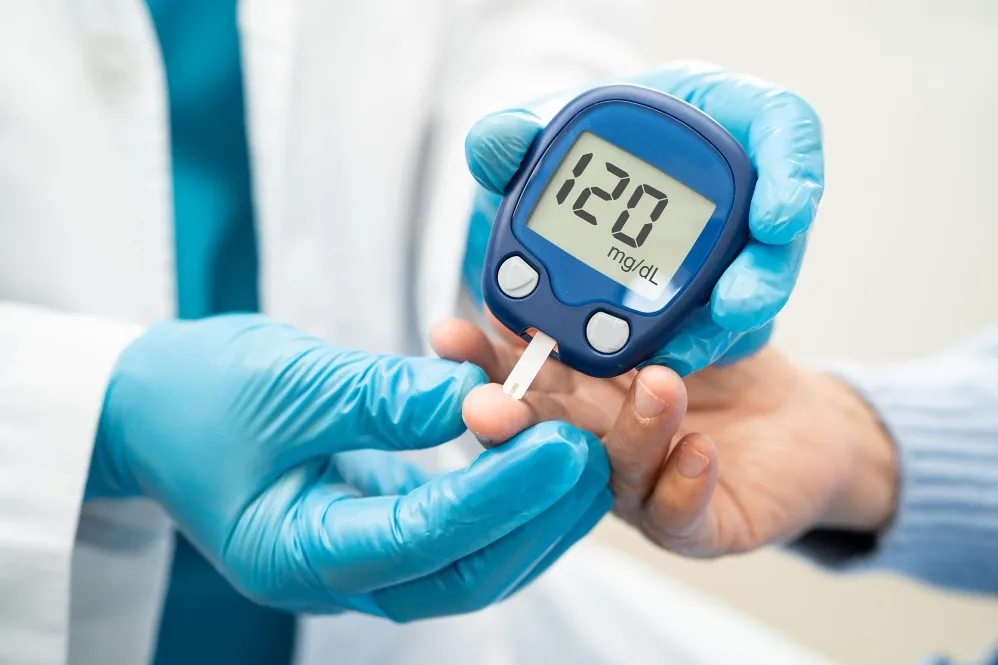
Living with diabetes is about much more than keeping blood sugar within a target range. Over time, consistently elevated glucose levels can affect several organs, making regular medical care essential. The good news is that many diabetes-related complications can be delayed or even prevented through early diagnosis, appropriate treatment, and ongoing monitoring.
If you are looking for a Diabetes specialist in Sanpada, understanding how comprehensive diabetes management works can help you make informed decisions about your health.
Why Long-Term Diabetes Management Matters
Diabetes is a chronic condition that requires continuous care. Blood sugar levels may fluctuate due to changes in diet, physical activity, stress, illness, medication, and age. Managing these changes effectively helps reduce the risk of complications while supporting a better quality of life.
Rather than focusing only on blood glucose readings, specialists evaluate overall metabolic health, lifestyle habits, and associated medical conditions.
Complications That Can Develop Without Proper Management
Not everyone with diabetes develops complications, but prolonged uncontrolled blood sugar increases the risk.
Potential complications include:
- Heart disease
- Stroke
- Kidney disease
- Diabetic retinopathy affecting vision
- Nerve damage causing numbness or tingling
- Foot ulcers and delayed wound healing
- Increased risk of infections
Regular monitoring helps identify early changes before significant damage occurs.
What Does a Diabetes Specialist Monitor?
Comprehensive diabetes care usually includes much more than prescribing medicines.
During routine reviews, a specialist may assess:
- HbA1c levels
- Fasting and post-meal blood sugar
- Blood pressure
- Cholesterol levels
- Kidney function
- Weight and body mass index
- Foot health
- Eye screening recommendations
- Lifestyle and dietary habits
This broader approach helps personalise treatment according to each patient's changing health needs.
The Importance of Personalised Treatment
No two people experience diabetes in exactly the same way.
Treatment decisions often depend on:
- Type of diabetes
- Duration of the condition
- Age
- Occupation
- Existing medical conditions
- Current medications
- Body weight
- Daily activity level
A personalised care plan is generally easier to follow than a one-size-fits-all approach.
Everyday Habits That Support Better Diabetes Control
Daily routines play a major role in managing diabetes successfully.
Helpful practices include:
- Eating balanced meals with controlled portions
- Including fibre-rich foods regularly
- Staying physically active most days of the week
- Maintaining a healthy body weight
- Sleeping adequately
- Managing stress through healthy coping techniques
- Taking medications exactly as prescribed
Small, consistent improvements often have greater long-term benefits than dramatic short-term changes.
Why Regular Follow-Up Is Important
Many people feel well even when blood sugar remains elevated. This is why routine appointments remain important even if symptoms are absent.
Regular reviews allow doctors to:
- Adjust medications when necessary
- Detect early complications
- Review laboratory investigations
- Reinforce healthy lifestyle practices
- Address new symptoms promptly
For many working professionals in Navi Mumbai, scheduled follow-up appointments also provide an opportunity to review how work routines, travel, or lifestyle changes may be affecting diabetes management.
When Should You See a Specialist?
Consider consulting a diabetes specialist if you:
- Have newly diagnosed diabetes
- Experience frequent high blood sugar readings
- Develop numbness or tingling in the feet
- Notice vision changes
- Have recurring infections
- Are planning pregnancy while living with diabetes
- Need support with weight management alongside diabetes care
Advanced Diabetes and Weight Loss Clinic provides comprehensive diabetes evaluation and ongoing management for individuals from Sanpada and nearby areas of Navi Mumbai. Care focuses on evidence-based treatment, preventive screening, and practical lifestyle guidance tailored to each patient's health profile.
Managing diabetes successfully involves more than treating today's blood sugar reading. Regular medical supervision, healthy lifestyle choices, and preventive monitoring work together to reduce future health risks and support long-term wellbeing.
Keywords