
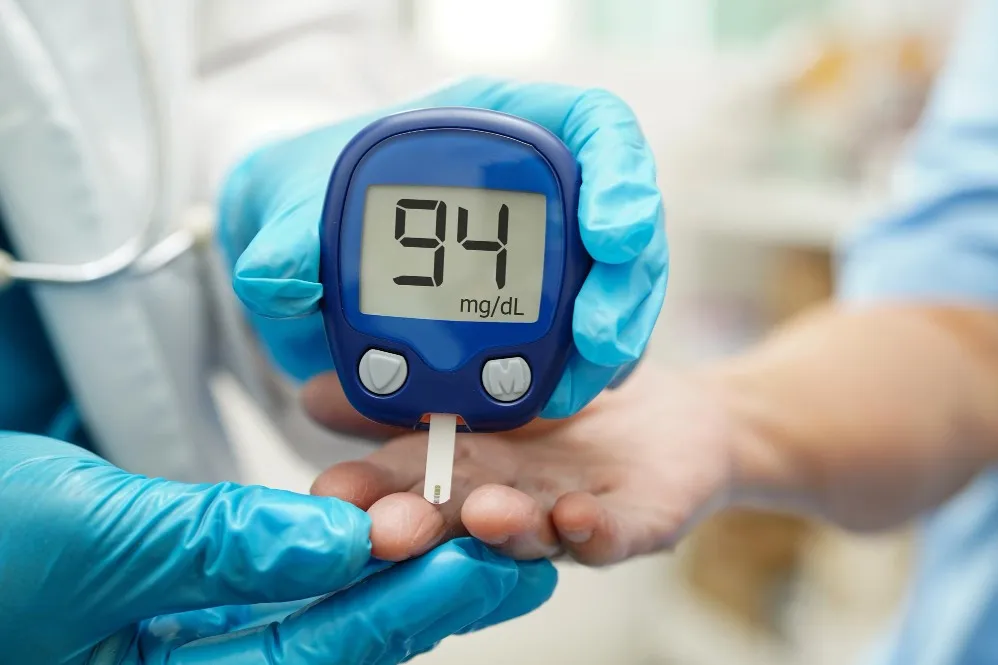
A diagnosis of diabetes often raises many questions. People commonly wonder whether medication will be lifelong, what dietary changes are necessary, and how the condition will affect daily life. While diabetes requires ongoing management, many individuals continue to lead active and healthy lives with the right treatment plan and regular monitoring.
If you are exploring options for Diabetes treatment in Vashi, understanding how treatment is planned can make the journey less overwhelming.
How Diabetes Is Diagnosed
Doctors diagnose diabetes using established clinical guidelines rather than symptoms alone.
Depending on individual circumstances, investigations may include:
- Fasting Blood Sugar
- Postprandial Blood Sugar
- HbA1c test
- Oral Glucose Tolerance Test
- Additional investigations where clinically indicated
These results are interpreted alongside medical history, symptoms, family history, and physical examination findings.
What Happens After Diagnosis?
Treatment begins with understanding the patient's overall health rather than focusing only on laboratory values.
A diabetes care plan commonly includes:
- Blood sugar monitoring
- Dietary recommendations
- Physical activity guidance
- Weight management advice
- Medication if required
- Education about preventing complications
- Scheduled follow-up visits
The treatment plan may change over time depending on how the body responds.
Lifestyle Changes That Support Treatment
Healthy lifestyle habits remain an important part of diabetes care regardless of whether medication is prescribed.
Key areas include:
Balanced Nutrition
A nutritious eating pattern focuses on portion control, whole grains, vegetables, lean proteins, healthy fats, and limiting foods high in added sugar.
Regular Physical Activity
Exercise helps improve insulin sensitivity and supports better blood sugar control. Walking, cycling, swimming, and strength training may all be suitable depending on individual health status.
Healthy Weight Management
For many people with Type 2 diabetes, gradual weight reduction can improve glucose control and overall metabolic health.
Stress and Sleep
Poor sleep and chronic stress may affect blood sugar regulation. Managing both is an important part of comprehensive diabetes care.
Monitoring During Treatment
Diabetes management does not stop after medication begins.
Doctors generally recommend regular monitoring of:
- HbA1c
- Blood pressure
- Kidney function
- Cholesterol
- Eye health
- Foot health
- Body weight
Monitoring helps ensure treatment remains effective while identifying any developing complications early.
When Treatment Plans May Need Adjustment
Your healthcare provider may review or modify treatment if:
- Blood sugar remains consistently above target
- Frequent episodes of low blood sugar occur
- Weight changes significantly
- Pregnancy is planned
- Kidney or liver function changes
- Other medical conditions develop
Regular communication with your doctor helps ensure treatment continues to match your current health needs.
Choosing a Clinic for Ongoing Diabetes Care
Long-term diabetes management benefits from continuity of care. A clinic that provides regular assessment, patient education, lifestyle guidance, and structured follow-up can support better outcomes over time.
Advanced Diabetes and Weight Loss Clinic offers personalised diabetes care for individuals living in Vashi and surrounding parts of Navi Mumbai. Treatment plans are based on clinical evaluation, appropriate investigations, individual lifestyle factors, and long-term health goals rather than a standard approach for every patient.
Diabetes treatment is an ongoing partnership between the patient and healthcare team. Early diagnosis, personalised care, regular monitoring, and healthy daily habits together create a strong foundation for managing diabetes effectively while reducing the risk of future complications.
Keywords