A fever does not become safe or dangerous from the thermometer reading alone. By weighing the temperature, measurement method, duration, symptoms and your health risks, you can decide when home monitoring is reasonable, when to arrange same-day care and when to go straight to an emergency department.
Key takeaways
- Watch a mild fever at home when you can drink, breathe normally, and stay alert.
- Seek emergency care for breathing trouble, confusion, seizures, stiff neck, or severe dehydration.
- Use an oral thermometer and record the temperature, time, and medicine taken.
- Diabetes, pregnancy, older age, and weak immunity warrant earlier medical advice.
When is it reasonable to watch a fever at home?
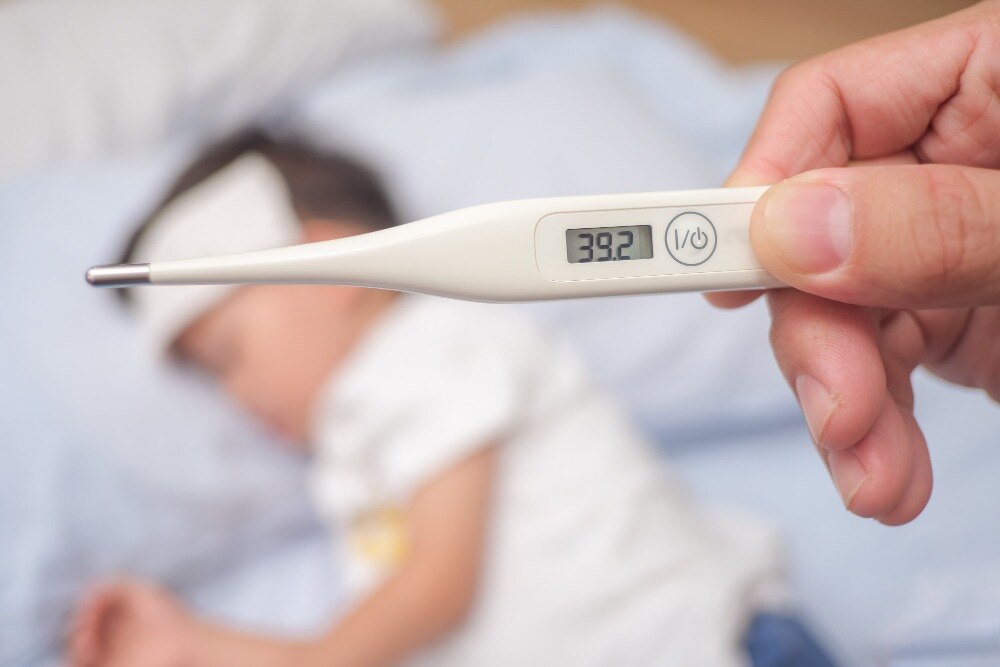
A measured temperature of 38°C (100.4°F) or higher is a fever in an adult, but the number alone does not show how serious the illness is. Check how you measured it: an oral or rectal reading is more useful than an armpit reading, which can under-read.
Repeat an unexpected result with a correctly positioned digital thermometer.
Home monitoring is reasonable when all of these apply:
- You are alert, breathing comfortably and able to drink and pass urine.
- The reading is reliable, symptoms are mild, and the fever is not rising.
- You have no pregnancy, immune suppression, serious kidney or liver disease, or poorly controlled diabetes.
- The fever has lasted less than 48 hours and is improving with rest, fluids and comfort measures.
Arrange a consultation if the fever lasts beyond two to three days, worsens, returns after settling, or fails to improve with supportive care. Seek advice sooner if you have diabetes, are pregnant, are older, or have kidney, liver or immune problems.
In Navi Mumbai, mosquito exposure, recent travel and local outbreaks can make dengue, malaria or another infection worth assessing rather than labelling the illness a viral cold.
Do not start leftover antibiotics because you searched for fever treatment in Navi Mumbai. Antibiotics do not treat viral infections, dengue or malaria, and can cause side effects while obscuring the diagnosis. Choose a clinician who can examine you and arrange testing or escalation when needed.
Which fever symptoms require same-day or emergency care?
Confusion, severe breathing difficulty, blue or grey lips, collapse, a seizure, stiff neck, chest pain, or a purple-red rash that does not fade when pressed require emergency care. Go to the nearest emergency department rather than waiting for a routine appointment.
| Level | Warning signs or risk factors | What to do |
|---|---|---|
| Emergency now | Severe dehydration, inability to keep fluids down, very little urine, persistent vomiting, seizure, or rapidly worsening weakness | Arrange emergency transport and do not drive if confused or faint |
| Same-day assessment | Fever worsening, repeatedly returning, lasting several days, or accompanied by fast breathing, severe headache, significant abdominal pain, or a non-blanching rash | Contact a clinician today |
| Urgent dengue assessment | Fever beginning to fall followed by severe abdominal pain, repeated vomiting, gum or nose bleeding, blood in vomit or stool, rapid breathing, extreme tiredness, restlessness, or pale, cold skin | Seek hospital assessment immediately |
| Lower threshold | Pregnancy, age under 3 months with 38°C (100.4°F) or higher, older age, diabetes, kidney or liver disease, or immune suppression | Request same-day medical advice, even if the temperature is modest |
A measured adult temperature of 38°C or higher is a fever, but the number alone does not show severity. Do not wait if you are deteriorating, especially after mosquito exposure, travel, or during local outbreaks; dengue, malaria, urinary infection, influenza and COVID-19 need different evaluation.
When contacting a fever doctor in Navi Mumbai, provide the temperature record, illness day, medicines, allergies, glucose readings, pregnancy status, travel and mosquito exposure.
How to measure temperature and manage an uncomplicated fever safely
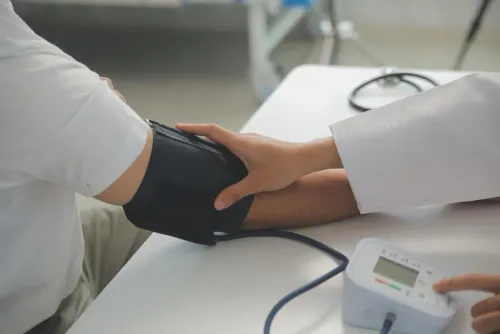
Use a digital thermometer and the same measurement site each time. For an oral reading, place the tip under your tongue with your mouth closed; wait 15 minutes after hot or cold drinks. Ear and forehead devices require correct positioning, while an armpit reading is less precise.
Record the temperature, time, method, symptoms and medicines taken.
- Check temperature at consistent intervals and after a major change in symptoms; repeated readings matter more than one isolated number.
- Rest, wear light clothing and drink water or oral rehydration fluid if you can safely take fluids. Continue small, frequent sips if nausea is present.
- Use paracetamol for discomfort only, following the package or clinician’s dose and maximum daily limit. Check every cold or flu product for paracetamol before taking another dose.
- Ask a clinician before paracetamol if you have liver disease, heavy alcohol use or take several medicines. Do not use aspirin or ibuprofen for an unexplained fever until dengue and bleeding risk have been assessed.
- Avoid ice baths, alcohol rubs and forced cooling; they can cause shivering, skin injury or additional poisoning risk without treating the cause.
- Seek advice if you cannot keep fluids down, urinate much less, become unusually drowsy, or the fever is worsening or repeatedly returns.
A falling temperature does not always mean recovery: dengue warning signs can begin then, including severe abdominal pain, persistent vomiting, bleeding, rapid breathing, extreme tiredness or pale, cold skin. Get urgent hospital assessment for these symptoms.
What could be causing the fever, and what will a clinician ask?
A measured fever’s pattern is only one clue. A clinician will ask when it began, whether it is continuous or returning, and whether you have cough, sore throat, body aches, rash, headache, abdominal pain, vomiting, diarrhoea, burning urine or pain in the side.
The day of illness matters because some tests become useful only after several days.
- A runny nose, cough, sore throat and household exposure favour a viral illness such as COVID-19 or influenza.
- Severe muscle or joint pain, headache behind the eyes, rash, bleeding or marked weakness raises concern for dengue, especially after mosquito exposure. Dengue NS1 is most useful early; IgM becomes more informative later.
- Chills, sweating, headache and travel or residence near mosquito-heavy areas prompt malaria testing with a rapid diagnostic test or blood smear. A negative early test may need clinical review.
- Burning urine, frequent urination or flank pain points towards a urinary infection; urine testing can confirm it.
- Vomiting and watery diarrhoea after unsafe food or sick contacts suggest gastroenteritis, while blood in stool, severe abdominal pain or persistent fever needs closer assessment.
- A localised painful throat, ear, lung, skin or urinary finding can indicate bacterial infection, including enteric fever when sustained fever follows relevant food, water or travel exposure.
The clinician will check hydration, blood pressure, pulse, breathing, oxygen level, abdomen, lungs, skin, neck and mental state. Medical treatment for fever in Navi Mumbai should follow those findings and illness timing: antibiotics treat selected bacterial infections, not viral illness, dengue or malaria.
A focused test plan is safer than leftover antibiotics or a large battery ordered without a clinical question.
When diabetes or other health conditions lower your threshold for care
A measured temperature of 38°C (100.4°F) deserves earlier medical advice when you have another condition that increases dehydration, infection or medication risk. Contact a clinician if the fever worsens, lasts several days, returns repeatedly or fails to improve with supportive care.
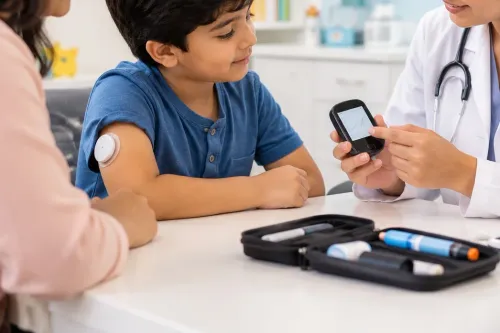
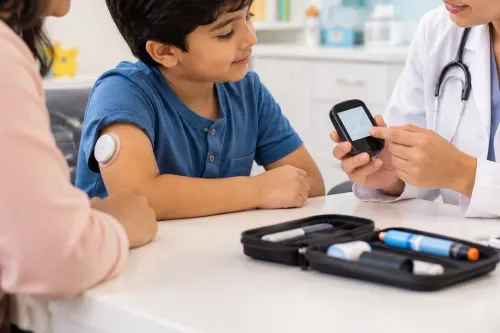
- Diabetes: Check glucose more often. Do not stop insulin without medical advice; check blood or urine ketones if available, especially with type 1 diabetes or persistently high glucose. Vomiting, diarrhoea, inability to drink, breathing difficulty, confusion or marked weakness needs urgent assessment.
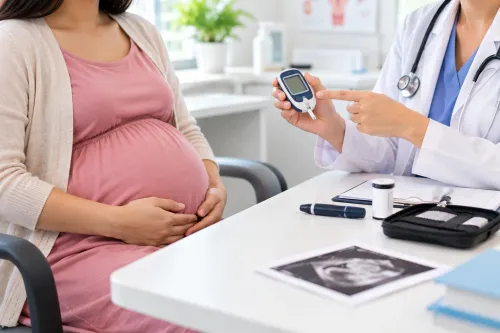
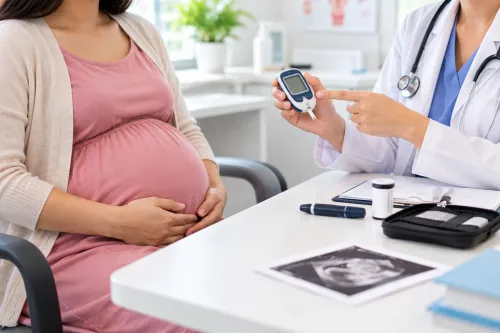
- Pregnancy: Arrange same-day advice for a persistent or worsening fever, because infection and medicine choices require pregnancy-safe assessment.
- Older age: Seek advice earlier rather than waiting for severe symptoms; dehydration, confusion and weakness can develop quickly.
- Kidney disease: Do not self-start ibuprofen or other medicines that could worsen kidney function. Ask before taking fever medicines.
- Immune suppression: Contact your treating clinician promptly, even with a modest fever, because infection can progress without dramatic symptoms.
- Medically supervised weight management: Report vomiting, poor intake or dehydration, and do not change injectable weight-management doses without instructions.
If you search “fever care clinic near me”, take information that allows safe decisions. At Advanced Diabetes & Weight Loss Clinic, bring:
- Your fever timeline, readings and measurement method
- Every medicine, supplement and allergy
- Recent glucose readings and diabetes type
- Last insulin or injectable weight-management dose
- Recent travel, mosquito exposure and sick contacts
- Kidney disease, pregnancy or immune-suppressing treatment details
Related services
Fever care treatment focuses on identifying the underlying cause of fever and providing effective medical care to relieve symptoms and prevent complications. Dr. View service → |
General Medicine Care Dr. Vinay Kumar Mukhekar provides comprehensive General Medicine Care focused on the diagnosis, treatment, and prevention of a wide range of common... View service → |
Frequently asked questions
When is it reasonable to watch a fever at home?
Home monitoring is reasonable for a mild, uncomplicated fever when you can drink fluids, breathe normally, stay alert, and have no severe pain or rapidly worsening symptoms. Recheck your temperature and seek advice if the fever persists or your condition worsens.
Which fever symptoms require same-day or emergency care?
Seek emergency care for breathing difficulty, confusion, seizures, a stiff neck, fainting, blue lips, severe dehydration, or a rapidly worsening illness. Arrange same-day medical care for persistent vomiting, severe pain, a new widespread rash, or a fever that is not improving.
How should you measure temperature during a fever?
Use a digital thermometer orally or rectally and follow its instructions. Armpit readings can under-read. Record the temperature, measurement site, time, symptoms, and any medicine taken.
What might cause a fever, and what will a clinician ask?
Common causes include respiratory, urinary, gastrointestinal, and mosquito-borne infections. A clinician will ask when the fever began, its highest reading, associated symptoms, travel and exposure history, medicines, vaccination status, and existing conditions.
When do diabetes or other health conditions lower the threshold for care?
Contact a clinician earlier if you have diabetes, pregnancy, kidney or heart disease, cancer treatment, steroid use, weakened immunity, or advanced age. Fever can disrupt glucose control and dehydration can become dangerous faster.
Keywords