
A fever visit should begin with triage, careful questioning and checks for dehydration or serious illness—not an automatic antibiotic prescription. By the end of the consultation, you should know which information and tests matter, how to manage symptoms safely, and when follow-up or hospital care is necessary.
Key takeaways
- Tell staff about diabetes, pregnancy, regular medicines and recent travel.
- Expect temperature, pulse, blood pressure, oxygen and hydration checks at triage.
- Ask which tests are needed before starting antibiotics or other treatment.
- Leave with clear follow-up timing and emergency warning signs.
What happens when you arrive for fever care
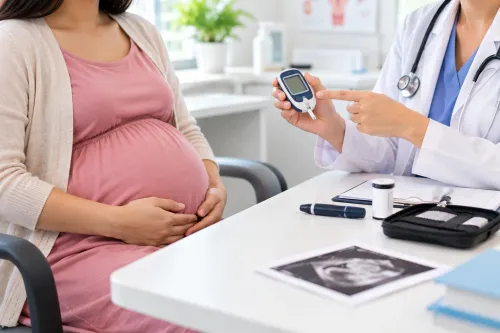
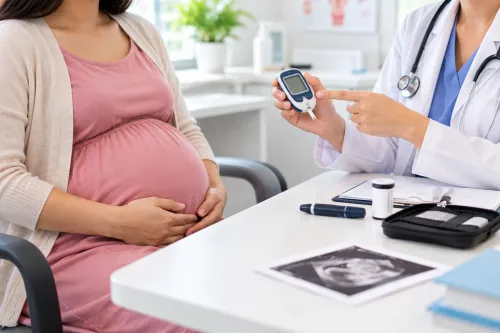
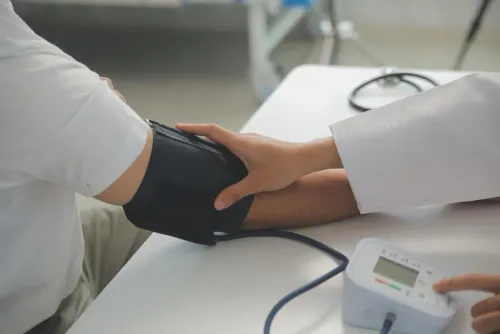
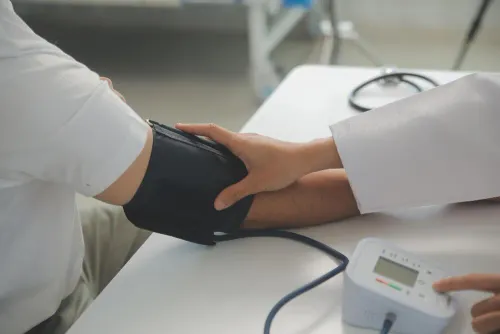
Registration is followed by triage, not an automatic prescription. Staff record your temperature, pulse, blood pressure and oxygen level, then check mental alertness, breathing, hydration and circulation. Tell them if you have diabetes, are pregnant, or take regular medicines.
The initial assessment usually covers:
- When the fever began, the highest recorded temperature and whether it is continuous or comes with chills
- Cough, sore throat, rash, headache, vomiting, diarrhoea, urinary discomfort or abdominal pain
- Mosquito exposure, travel, sick contacts, workplace or household outbreaks and recent medicines
- Current food and fluid intake, urine output, blood-glucose readings, diabetes medicines and any vomiting
- A physical examination of the chest, throat, abdomen, skin and other areas suggested by your symptoms
The clinician uses these findings to decide whether you need observation, testing, treatment or hospital referral. Fever alone does not identify its cause, so antibiotics are not appropriate for every fever. If you are unwell with diabetes or have high glucose, the assessment may include ketone testing and a check for dehydration or diabetic ketoacidosis.
Ask what symptoms to monitor, how to take prescribed medicines and when to return. Seek urgent hospital care for confusion, fainting, breathing difficulty, seizures, severe dehydration, persistent vomiting, severe abdominal pain or bleeding. This is what fever care treatment includes at a clinic in Navi Mumbai.
What information and tests help identify the cause
Your temperature pattern helps, but fever alone cannot identify its cause. Tell a doctor for fever in Navi Mumbai when it began, the highest recorded reading, chills, rash, cough, sore throat, vomiting, diarrhoea, pain or burning during urination, and whether symptoms are improving or worsening.
Mention mosquito bites, recent travel, sick contacts, unsafe food or water, new medicines, and conditions such as diabetes, kidney disease or pregnancy.
- A complete blood count can show changes in white cells, haemoglobin and platelets. It supports assessment of infection or dengue-related platelet reduction, but it cannot name the cause by itself.
- Urine testing is useful with burning, urgency, flank pain, cloudy urine or no clear source. It can indicate urinary infection, blood or dehydration and may lead to a urine culture.
- Malaria testing fits fever with chills, sweats, headache, travel or mosquito exposure. A negative result does not always end evaluation if illness continues; the clinician may repeat or use another test.
- Dengue NS1 is most useful early in illness, while dengue IgM becomes more informative later. An early negative result does not necessarily exclude dengue because timing and test type affect detection.
- Chest examination, oxygen measurement or a chest X-ray may follow cough, breathing difficulty, chest pain, low oxygen or abnormal lung sounds.
The clinician may also order blood cultures, liver or kidney tests, or other targeted investigations when examination findings point to typhoid, bacterial infection, heat illness or another cause. Testing should match your symptoms and illness day, not become an automatic panel.
How fever treatment decisions are made safely
Fever alone does not justify an antibiotic. A fever treatment clinic in Navi Mumbai makes the choice after reviewing your examination, vital signs, symptoms, medical conditions and test results. The clinician also checks your current medicines, diabetes treatment, hydration and ability to eat before recommending a plan.
| Cause | Treatment a clinician may recommend | What you should not start yourself |
|---|---|---|
| Viral illness | Rest, fluids, and paracetamol when appropriate; treatment for specific symptoms | Antibiotics, leftover antivirals, or steroid tablets |
| Suspected dengue | Paracetamol for fever, fluids, observation and repeat assessment or blood tests | Aspirin, ibuprofen, diclofenac and other NSAIDs because they increase bleeding risk |
| Malaria | A confirmed or strongly suspected malaria regimen selected for the parasite and local guidance | Borrowed antimalarial tablets or stopping treatment early |
| Bacterial infection | An antibiotic chosen for the suspected site and test findings, with a defined duration | Antibiotics bought without examination |
| Another cause | Targeted treatment for urinary infection, heat illness, thyroid disease or another diagnosis | Multiple over-the-counter medicines that hide worsening symptoms |
Check every packet before taking it. Avoid aspirin, ibuprofen and other NSAIDs until dengue has been considered, and avoid combining products that contain paracetamol. Do not begin antibiotics, steroids or antimalarial drugs without medical advice.
If you use appetite-suppressing medicine, follow a personalised sick-day plan; fever, dehydration or inability to eat can require temporary changes and prompt follow-up.
How to manage fever while waiting for review
Until reviewed, rest, drink safely, and record changes rather than trying to force your temperature back to normal. These steps help your clinician during a fever care consultation in Navi Mumbai.
1. Take frequent small sips of water, oral rehydration solution or clear soup. Your clinician must tailor fluid advice if you have vomiting, diabetes, kidney or heart disease, high blood pressure, reduced urine, or suspected dengue; forcing large volumes can cause harm.
2. Eat small, easy-to-digest meals such as rice, khichdi, toast, bananas or curd if you can tolerate them. Do not force food during nausea, but continue fluids and seek advice if vomiting prevents drinking.
3. Wear loose, light clothing and use a light sheet. Keep the room comfortably cool and ventilated; avoid heavy blankets, cold-water immersion, ice baths and alcohol rubs.
4. Measure temperature with the same thermometer and method each time. Record the reading, time, symptoms, fluids taken, vomiting, urine output and every medicine dose, including the product strength.
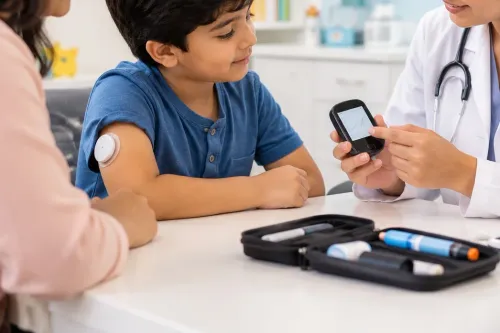
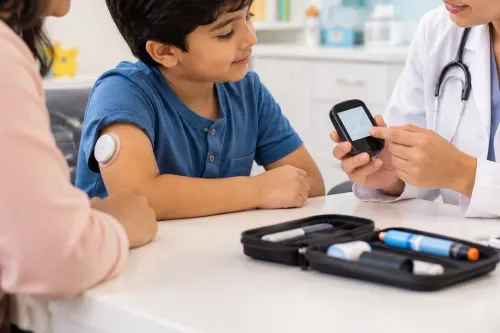
5. Check blood glucose more often while fever continues and follow your written sick-day plan. Do not stop insulin without medical advice; contact the clinic promptly about tablets, especially if you are dehydrated, vomiting or unable to eat.
Avoid duplicate cold medicines and do not take ibuprofen or aspirin if dengue is possible unless a clinician approves.
Go urgently for confusion, breathing difficulty, fainting, seizures, severe dehydration, persistent vomiting, bleeding, severe abdominal pain, or deep, rapid breathing with excessive thirst and frequent urination.
What follow-up and emergency instructions should you receive
Before leaving, ask the clinician to write the review date, warning symptoms, medicine instructions and glucose-monitoring plan. Advanced Diabetes & Weight Loss Clinic can make this useful by tying follow-up to your readings, oral intake, diabetes medicines and test results rather than to fever duration alone.
Contact the clinic promptly when:
- Fever persists, returns after improving, or becomes harder to control.
- You develop a new rash, bleeding, worsening cough, urinary symptoms, repeated vomiting or reduced urine.
- A test is negative early in the illness but symptoms continue; dengue testing can require reassessment because accuracy depends on the illness day and test used.
- Your glucose is repeatedly above the target given to you, you cannot eat or drink normally, or you are unsure how to take prescribed diabetes medicine. Repeat a blood count, urine test, malaria test, dengue test or examination only on the clinician’s schedule; platelet trends and new symptoms can change that plan.
Go directly to a hospital emergency department for confusion, fainting, seizures, difficulty breathing, blue or very pale skin, severe dehydration, persistent vomiting, severe abdominal pain or bleeding. For diabetes, excessive thirst, frequent urination, nausea, abdominal pain, deep or rapid breathing, or moderate or high ketones can signal diabetic ketoacidosis.
Do not wait for a clinic callback; take your medication list and recent glucose or ketone readings.
Related service
Fever care treatment focuses on identifying the underlying cause of fever and providing effective medical care to relieve symptoms and prevent complications. Dr. View service → |
Frequently asked questions
What happens when you arrive for fever care at a Navi Mumbai clinic?
After registration, staff perform triage by recording your temperature, pulse, blood pressure and oxygen level. They also assess alertness, breathing, hydration and circulation.
What information and tests help identify the cause of a fever?
Tell the clinician when the fever began, its highest temperature, associated symptoms, recent travel, sick contacts, medical conditions and medicines. The clinician chooses tests based on the examination and suspected cause.
How are fever treatment decisions made safely?
Treatment depends on the examination, likely cause, severity, test results and your health risks. The clinician decides whether you need supportive care, prescription medicine, observation or referral.
How should you manage a fever while waiting for review?
Drink fluids if you can, rest, wear light clothing and record your temperature and symptoms. Use fever medicine only according to the label or a clinician’s instructions, especially if you have liver, kidney or stomach disease.
What follow-up and emergency instructions should you receive?
You should know when to return, which symptoms require urgent care and how to take prescribed medicines. Seek urgent help for difficulty breathing, confusion, fainting, severe dehydration, seizures or a rapidly worsening condition.
Keywords