A single high reading does not prove persistent hypertension, but repeated readings of 180/120 mmHg or higher can require immediate assessment. You will learn how to measure and record blood pressure accurately, understand when lifestyle changes or prescription treatment are appropriate, and prepare for safer long-term follow-up.
Key takeaways
- One high reading does not confirm hypertension; repeat measurements at home or with ABPM.
- Use a validated upper-arm monitor and record two readings, one minute apart, twice daily.
- Lifestyle changes and medicines depend on confirmed readings, cardiovascular risk and existing conditions.
- Seek urgent help for 180/120 mmHg or higher with chest pain, breathlessness or neurological symptoms.
Does one high reading mean you have hypertension?
One high reading does not prove hypertension. Clinicians confirm persistence by comparing repeated measurements outside the clinic with the initial result. Under NICE guidance, stage 1 hypertension means a clinic reading of 140/90 mmHg or higher followed by a daytime ABPM or HBPM average of at least 135/85 mmHg.
US guidance commonly uses 130/80 mmHg for stage 1, so the guideline matters.
ABPM is recommended after a clinic reading of 140/90 mmHg or higher because it records readings during normal daytime activity and reduces the chance of misdiagnosis from temporary stress, pain or talking. Use HBPM instead when ABPM is unsuitable, unavailable or declined.
White-coat hypertension means your clinic readings are high but your home or daytime readings are normal; masked hypertension is the reverse.
A high blood pressure doctor in Navi Mumbai should assess more than the number when planning hypertension treatment in Navi Mumbai. Ask what checks you need:
- Urine albumin or blood testing
- Kidney function and electrolyte tests
- Cholesterol and glucose testing
- An eye examination for hypertensive retinal changes
- An ECG when symptoms, examination findings or cardiovascular risk indicate it
These checks can reveal kidney injury, diabetes, vascular risk or effects on organs, helping the clinician choose treatment and set a safe target.
How should you measure and record blood pressure at home?
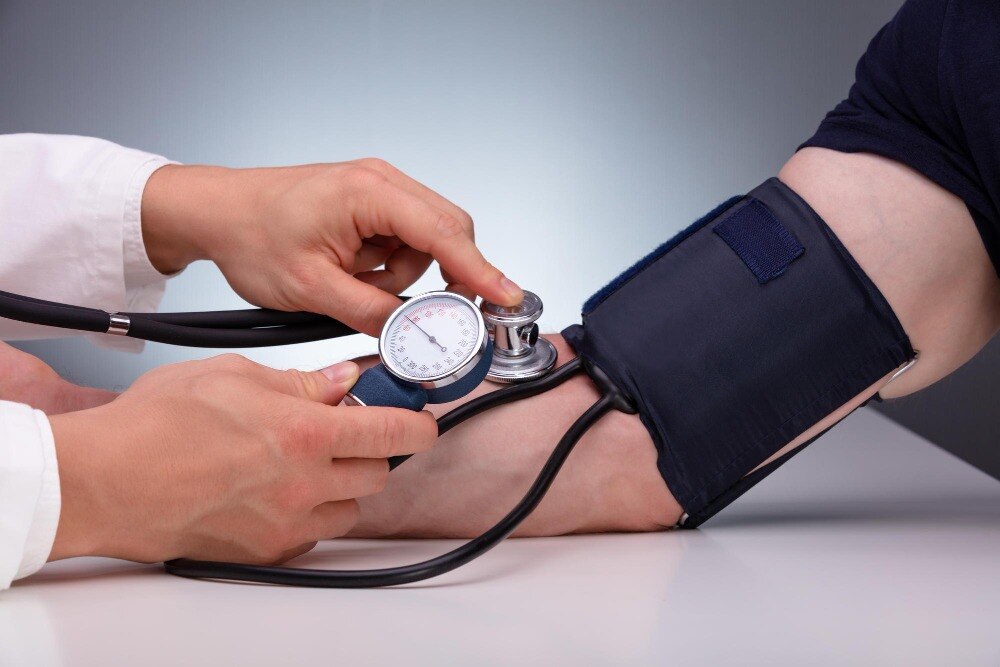
Use a validated upper-arm monitor, not a wrist device, for reliable hypertension care near me. Choose a cuff whose printed range fits your upper-arm circumference; a loose or undersized cuff can distort the result.
- Avoid caffeine, exercise and smoking for 30 minutes. Empty your bladder.
- Sit quietly for five minutes with your back supported and both feet flat on the floor.
- Place the cuff on bare skin, with its lower edge just above the elbow. Rest your arm on a table so the cuff is at heart level.
- Start the monitor without talking or moving. Record the first reading.
- Wait at least one minute, then take a second reading and record both values and your pulse.
| Situation | Reading quality | What to do |
|---|---|---|
| Rested, supported posture | More representative | Record both readings |
| Immediately after exercise, stress or caffeine | Potentially misleading | Wait and repeat later |
| One unusually high result | Incomplete evidence | Follow your clinician’s repeat-check plan |
Use this log format: Date | Time | Reading 1 | Reading 2 | Pulse | Symptoms | Medication name and time taken. Note dizziness, headache, chest discomfort or other symptoms beside the readings.
Do not keep checking immediately after exertion, stress or caffeine; repeated checks can create misleading numbers. Share several days of readings with your clinician rather than relying on one home result.
When do lifestyle changes or prescription medicines become necessary?
Clinicians choose treatment from your sustained readings, cardiovascular risk, kidney findings, diabetes status and preferences—not from one number alone. Medication becomes more likely when readings remain high despite lifestyle work, or when you have diabetes, chronic kidney disease, albuminuria or cardiovascular disease.
- Reduce sodium, follow a DASH-style eating pattern, increase physical activity and reach or maintain a healthy weight.
- Moderate alcohol, stop tobacco and address poor or disrupted sleep.
- Continue these measures after medication starts; they lower risk but do not replace tablets for everyone.
| Approach | Clinician considers | What can go wrong |
|---|---|---|
| Lifestyle treatment | Lower risk and mild, persistent elevation | Delaying medicine while organ damage develops |
| Prescription treatment | Sustained readings, diabetes, kidney or heart disease | Side effects, interactions and monitoring needs |
| Both together | Higher risk or inadequate response | Stopping tablets when readings improve |
ACE inhibitors, angiotensin-receptor blockers (ARBs), calcium-channel blockers and thiazide-like diuretics are common starting groups; beta blockers suit selected conditions. Choice depends on age, ethnicity, pregnancy potential, kidney function, potassium, diabetes, gout, ankle edema and other drugs.
ACE inhibitors or ARBs may reduce albuminuria in diabetic kidney disease, but never combine them; check kidney function and potassium after starting or increasing either.
Diabetes, albuminuria and kidney disease change treatment targets. Disclose pregnancy, plans for pregnancy or recent postpartum status before blood pressure treatment in Navi Mumbai or hypertension treatment in Navi Mumbai, because safe choices and urgency change. Your clinician can tailor ongoing hypertension care to these risks rather than simply chasing a reading.
What should happen after you start blood-pressure treatment?
Recheck home or clinic readings after starting treatment or changing a dose, following your clinician’s schedule. Each review should cover symptoms, adherence, kidney function and potassium results. Doses are adjusted gradually; do not change them independently.
If you miss a dose, read that medicine’s instructions or contact the prescriber rather than doubling the next dose. Do not stop treatment abruptly, especially a beta blocker, because withdrawal can sharply worsen blood pressure and heart strain.
| Problem | What to do |
|---|---|
| Dizziness | Sit or lie down, then report it if it persists or recurs |
| Faintness | Lie down and seek prompt clinical advice |
| Ankle swelling | Report it; the medicine or another cause needs review |
| Severe symptoms | Seek urgent help, especially with chest pain, breathlessness, confusion or weakness |
Tell the clinician about medicines that can raise blood pressure: ibuprofen, diclofenac and other NSAIDs, decongestants, corticosteroids, stimulants and some oral contraceptives.
Uncontrolled readings on three medicines do not automatically mean resistant hypertension. Check adherence, cuff technique, out-of-office readings and causes such as sleep apnoea, kidney disease or primary aldosteronism first.
Specialist review may consider low-dose spironolactone when potassium is 4.5 mmol/L or lower and kidney function is suitable; monitoring is essential for hyperkalaemia and acute kidney injury.
For hypertension care near me or blood pressure treatment in Navi Mumbai, Advanced Diabetes & Weight Loss Clinic can review readings, medicines, diabetes, kidney factors and tolerability together.
Related service
High Blood Pressure (Hypertension) Treatment High Blood Pressure (Hypertension) Treatment High Blood Pressure, also known as hypertension, is a common but serious condition that can increase the risk of heart disease, stroke, and kidney... View service → |
When is a high reading an emergency?
A reading around 180/120 mmHg or higher needs action, not dismissal. Sit quietly for five minutes, keep your back supported and feet flat, place the correctly sized cuff on your bare upper arm, then repeat the measurement. Arrange prompt clinical assessment even if you feel well.
- Call emergency services immediately if the repeat remains around 180/120 mmHg or higher and you have chest pain, breathlessness, a severe headache, confusion, weakness or numbness, difficulty speaking, vision changes or vision loss.
- Use emergency services for other signs of acute organ injury, such as fainting, a seizure or sudden loss of coordination. Do not drive yourself or wait for a routine hypertension appointment.
- If you are pregnant or within weeks after delivery, severe hypertension needs urgent obstetric assessment. Tell clinicians about the pregnancy or recent delivery before taking or continuing blood-pressure medicine.
A high reading without warning symptoms is not automatically a hypertensive emergency, but it still needs documented follow-up and professional review. Record both readings, the time, symptoms and medicines taken, and contact a clinician promptly about hypertension care near me rather than repeatedly checking in panic.
A clinician arranging hypertension treatment in Navi Mumbai can confirm the result, assess organ effects and decide whether treatment needs adjustment.
Frequently asked questions
Does one high reading mean you have hypertension?
No. A single reading does not prove persistent hypertension. Clinicians compare repeated clinic readings with daytime ambulatory blood pressure monitoring or home monitoring. Under NICE guidance, stage 1 hypertension starts at a clinic reading of at least 140/90 mmHg confirmed by a daytime ABPM or HBPM average of at least 135/85 mmHg.
How should you measure and record blood pressure at home?
Use a validated upper-arm monitor with the correct cuff size. Avoid caffeine, exercise and smoking for 30 minutes beforehand; sit quietly for five minutes with your back supported and feet flat. Take two readings one minute apart in the morning and evening, then record the date, time, readings and relevant medicines.
When do lifestyle changes or prescription medicines become necessary?
Lifestyle changes support blood pressure control at every stage. Prescription medicines depend on confirmed blood pressure, cardiovascular risk, kidney disease, diabetes, previous cardiovascular events and the response to lifestyle measures. A clinician should select the medicine and dose rather than relying on someone else’s prescription.
What should happen after you start blood-pressure treatment?
Follow-up should review home readings, side effects, adherence, kidney function and electrolytes when the medicine requires blood testing. Do not stop treatment because one reading improves. Your clinician can adjust the dose or combination after reviewing a consistent record.
When is a high reading an emergency?
Repeat a reading of 180/120 mmHg or higher after resting briefly. Seek emergency care immediately if it remains that high with chest pain, severe breathlessness, weakness or numbness on one side, confusion, difficulty speaking, vision changes or a severe headache. Without symptoms, contact a clinician urgently for same-day advice.
Keywords