A first diabetes appointment is more than a prescription renewal: the doctor needs to establish what type of diabetes you have, review your glucose pattern and check for kidney, heart, eye and foot risks. You will leave better prepared if you bring the right reports, medicines and readings and know which symptoms need urgent care instead of a routine appointment.
Key takeaways
- Bring glucose records, medicines, previous reports and your symptom timeline.
- Ask which diabetes type is being considered and why.
- Confirm your glucose targets, follow-up date and medication instructions.
- Seek urgent help for severe vomiting, confusion, fainting or trouble breathing.
What happens during your first appointment
Expect questions before any prescription: the doctor will confirm why you came, whether diabetes is already established, and whether your symptoms suggest dangerously high or low glucose. An adult diabetes doctor in Navi Mumbai will also check whether the diagnosis could be type 1, type 2, medication-related, or another form.
The history usually covers:
- Your thirst, frequent urination, blurred vision, fatigue, weight change, infections, shakiness, sweating and confusion.
- Every medicine, insulin dose, supplement and recent steroid treatment, including missed doses and side effects.
- Your meals, physical activity, sleep, tobacco and alcohol use.
- Diabetes, heart disease, kidney disease and autoimmune conditions in your family.
- Stress, anxiety, depression, work demands, food access, medicine costs and your ability to attend follow-up.
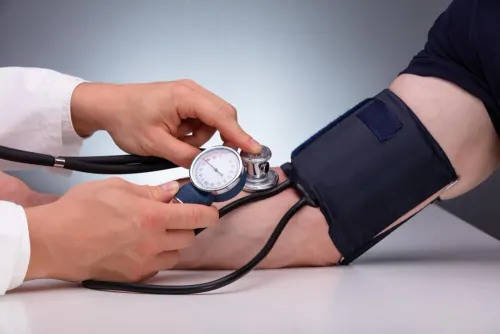
The examination adds objective clues. Expect weight, waist measurement, blood pressure and pulse, with a foot check for skin breaks, infection, reduced sensation or poor circulation. The doctor may examine injection sites and look for signs linked to dehydration or other health problems.
You should leave knowing which findings need confirmation, what your glucose pattern means, and what happens next. If you have vomiting, abdominal pain, deep or rapid breathing, confusion, severe dehydration, or moderate-to-high ketones, seek urgent care instead of waiting for a routine appointment.
What to bring and which tests you may need
Bring actual medicine strips or an accurate prescription list, recent reports, and your glucose records. Adult diabetes care in Navi Mumbai uses the same diagnostic standards as elsewhere in India, so complete records help the doctor avoid changing treatment from one unexplained reading.
- HbA1c, fasting glucose and post-meal glucose reports, with test dates
- Lipid profile, serum creatinine with eGFR, liver-enzyme results and urine albumin-creatinine ratio
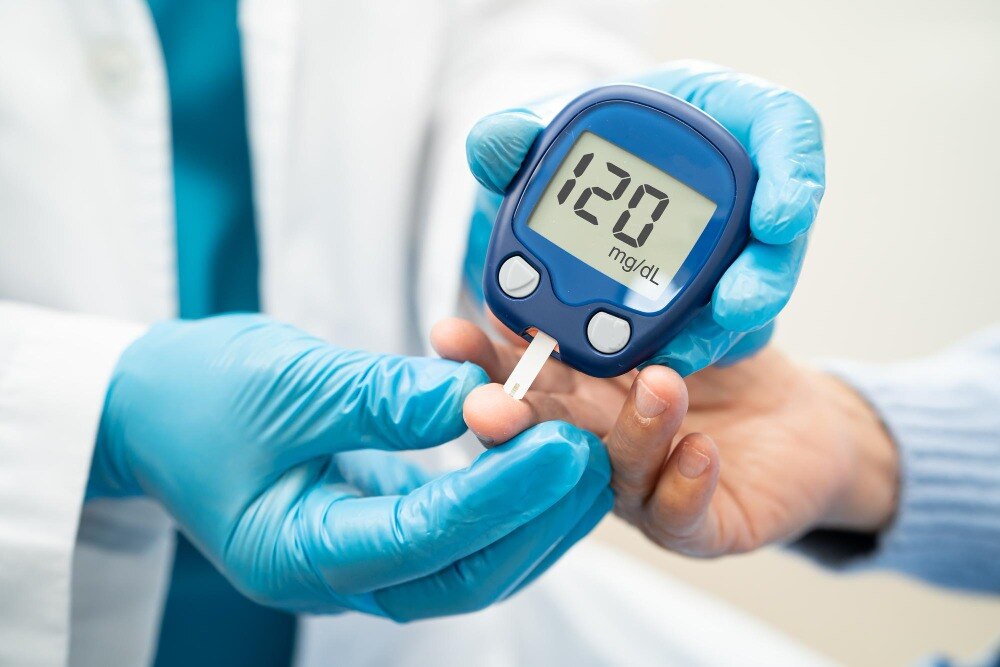
- Glucose-meter readings or continuous glucose monitor reports showing times, meals, medicines and low readings
- A list of supplements, steroid tablets or injections, allergies, and episodes of sweating, shaking, confusion or fainting
| Test | What it shows | When it matters |
|---|---|---|
| HbA1c | Average glucose over roughly 2–3 months; diabetes threshold is at least 6.5% | Diagnosis and treatment review |
| Fasting plasma glucose | Glucose after at least eight hours without food; diabetes threshold is at least 126 mg/dL (7.0 mmol/L) | Diagnosis |
| Post-meal glucose or 75-g oral glucose-tolerance test | After-meal control; a two-hour OGTT result of at least 200 mg/dL (11.1 mmol/L) diagnoses diabetes | Unclear diagnosis or high readings after food |
| Random glucose | Current glucose; at least 200 mg/dL with classic symptoms supports diagnosis | Symptoms such as thirst or frequent urination |
| Creatinine/eGFR and urine albumin-creatinine ratio | Kidney filtration and leakage | Kidney risk and medicine safety |
| Lipid profile | Cholesterol and triglycerides | Cardiovascular-risk planning |
| Liver enzymes and vitamin B12 | Liver health and possible metformin-related B12 deficiency | When clinically indicated |
Without unequivocal hyperglycemia or crisis, an abnormal diagnostic result needs confirmation with repeat testing or another test.
How the doctor identifies the diabetes type and chooses treatment
High glucose in an adult does not automatically mean Type 2 diabetes. The doctor reviews the speed of onset, weight change, thirst and urination, ketosis symptoms, family history, past pancreatic disease, and drugs such as steroids.
If the pattern is unclear, antibody tests such as GAD antibodies and a C-peptide test can help distinguish Type 1 diabetes or latent autoimmune diabetes in adults from Type 2.
The doctor also checks whether another condition explains the result, including pancreatic damage, endocrine disease or medication-related diabetes. Insulin becomes urgent when glucose is severely high with ketones, dehydration or vomiting, or when insulin production is inadequate. Do not stop prescribed medicine while waiting for classification.
For Type 2 diabetes care in Navi Mumbai, treatment selection reflects more than the glucose number:
- Start or adjust tablets when glucose is stable and kidney function, side effects, cost and dosing fit your circumstances.
- Consider an SGLT2 inhibitor when heart failure or chronic kidney disease is a concern, provided it is safe for you.
- Consider a GLP-1 receptor agonist or dual incretin medicine when weight reduction or cardiovascular risk reduction is a priority.
- Choose insulin when glucose is markedly elevated, symptoms are worsening, oral treatment is unsuitable, or tests show inadequate insulin production.
The doctor should review glucose timing, missed doses, food, steroid use, meter technique and low-glucose episodes before intensifying treatment. A single home reading is not enough.
What happens after the appointment—and when to seek urgent help
Return in 2–4 weeks after starting or changing tablets, insulin, or glucose targets. Once treatment and readings are stable, reviews usually occur every three months, with HbA1c checked at similar intervals; some people can extend visits to every 3–6 months on medical advice.
Each review should examine more than prescription renewal:
- Glucose patterns, meal timing, missed doses, meter technique, hypoglycaemia and medicine side effects
- HbA1c, weight, blood pressure, lipid profile and cardiovascular risk
- Serum creatinine with estimated glomerular filtration rate and urine albumin-to-creatinine ratio at least annually
- Eye examination and foot findings, including skin, pulses and sensation
- Smoking, activity, sleep, diet and whether you can obtain help after hours
An adult diabetes clinic near me is useful only if follow-up includes these results and a plan, not just a repeated prescription.
| Situation | Timing | Action |
|---|---|---|
| Stable readings and no concerning symptoms | Planned review | Continue monitoring and attend the scheduled visit |
| Treatment change, frequent lows, or repeated high readings | Contact the clinic sooner | Ask whether medicines, food intake, renal function, or steroid use needs review |
| Vomiting, abdominal pain, deep or rapid breathing, confusion, severe dehydration, or persistent high glucose with moderate or high ketones | Immediate assessment | Go to an emergency department |
| Loss of consciousness, recurrent severe hypoglycaemia, chest pain, stroke symptoms, or a rapidly infected foot wound | Immediate assessment | Do not wait for a routine appointment |
Call emergency services for collapse, severe breathing difficulty, or suspected stroke. Do not drive yourself.
How to judge a diabetes clinic in Navi Mumbai
A convenient location is useful, but it does not prove safe care. Before booking an adult diabetes doctor in Navi Mumbai, check Maharashtra Medical Council registration and ask who reviews reports, handles hypoglycaemia, and answers after-hours problems.
A suitable adult diabetes clinic near me should assess diabetes type instead of assuming every high reading means Type 2 diabetes.
| Check | Practical standard | Warning sign |
|---|---|---|
| Clinician | Registration is verifiable, and the doctor explains diagnosis and treatment choices | Staff will not identify the treating clinician |
| Testing | Access to HbA1c, kidney tests, urine albumin-to-creatinine ratio, lipid profile, eye examination and foot examination | Care stops at a finger-stick glucose reading |
| Follow-up | Each visit reviews results, symptoms, medicines, blood pressure, weight and side effects | Follow-up only renews prescriptions |
| Safety | Written instructions cover sweating, shaking, confusion, very low glucose and persistent high readings | No plan for hypoglycaemia or urgent deterioration |
| Access | The clinic explains test costs, medicine alternatives and referral arrangements | Recommended tests have no clear purpose or pathway |
Ask how the clinic confirms an unexpected result and investigates ketones, autoimmune diabetes, steroid-related diabetes or another secondary cause. A single home glucose value should not trigger a treatment increase without checking timing, meter technique, food, missed doses, steroids and kidney function.
When comparing Advanced Diabetes & Weight Loss Clinic with another provider, use these questions to judge the actual process, not the location or advertising language.
Related service
Adult Diabetes Care focuses on the effective diagnosis, treatment, and long-term management of Type 2 Diabetes and other adult-onset diabetes conditions. Dr. View service → |
Frequently asked questions
What happens during a first adult diabetes appointment?
The doctor asks why you came, reviews symptoms and medical history, checks for dangerously high or low glucose, and assesses which form of diabetes fits your results.
What should I bring to a diabetes doctor visit?
Bring your glucose meter or app records, current medicines and doses, previous blood-test reports, prescription details, and a timeline of symptoms.
Which tests might I need for diabetes?
Your doctor may order blood-glucose testing, HbA1c, kidney tests, cholesterol testing, urine albumin, liver tests, and additional tests when the diabetes type is unclear.
How does a doctor identify the type of diabetes?
The doctor combines your age, symptoms, speed of onset, weight history, medicines, family history, examination findings and test results. C-peptide and diabetes autoantibody tests can help when type 1 or another form is possible.
When should I seek urgent help for possible diabetes complications?
Seek urgent medical care for confusion, fainting, severe weakness, repeated vomiting, deep or difficult breathing, severe dehydration, or suspected severe low blood glucose.
Keywords