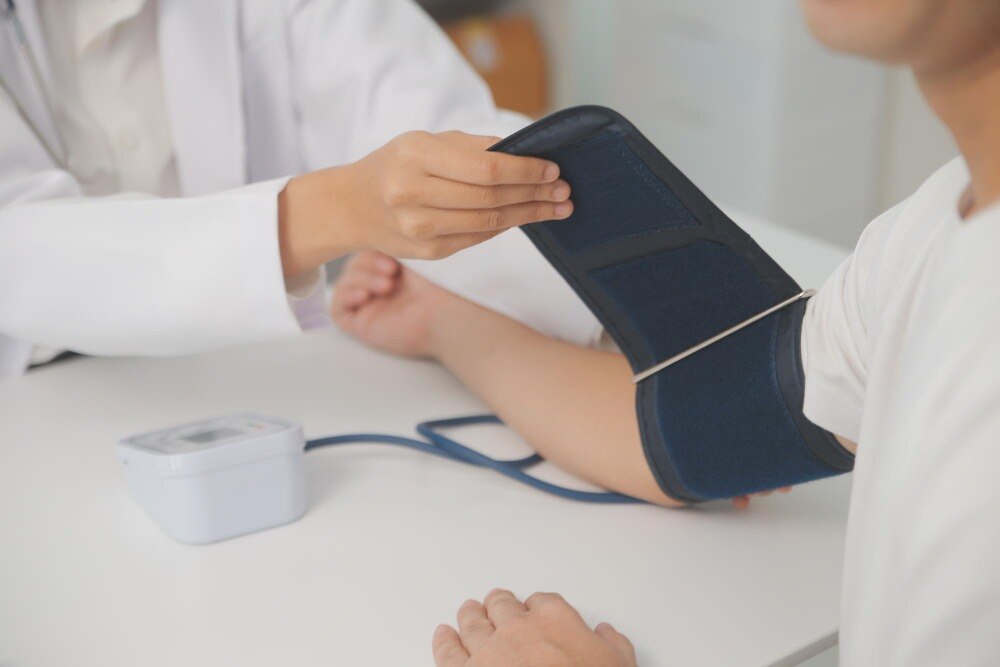
An isolated high reading does not tell you which medicine, if any, you need. By checking your readings correctly and matching treatment to your kidney function, diabetes status, pregnancy plans, cardiovascular risk and other medicines, you can have a more useful discussion with a clinician and avoid unsafe self-treatment.
Key takeaways
- Confirm hypertension with repeated readings or home monitoring.
- Seek emergency care for very high readings with chest pain or neurological symptoms.
- Tell your clinician about kidney disease, diabetes, pregnancy and current medicines.
- Compare medicine classes by benefits, side effects and monitoring needs.
First confirm that your blood pressure is consistently high
A single high reading does not confirm sustained hypertension. Repeat measurements on separate visits and use home or 24-hour ambulatory monitoring when feasible. A clinic reading of 140/90 mmHg or higher, or a home average of 135/85 mmHg or higher, commonly supports diagnosis after confirmation.
For a reliable home reading:
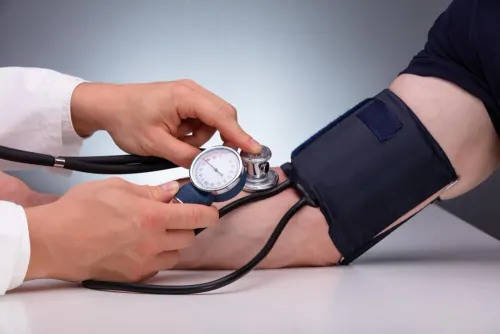
- Use a validated upper-arm cuff sized for your arm; avoid wrist and finger devices for routine diagnosis.
- Avoid caffeine, exercise and smoking for 30 minutes.
- Sit quietly for five minutes with your back supported, feet flat and arm resting at heart level.
- Take two readings one minute apart, morning and evening, and record them for several days.
| Pattern | What it means | How to recognise it |
|---|---|---|
| Sustained hypertension | Pressure remains high | Clinic and home readings stay elevated |
| White-coat hypertension | Clinic pressure is high but usual pressure is not | Home or ambulatory average stays below the diagnostic threshold |
| Masked hypertension | Clinic pressure appears normal but usual pressure is high | Home or ambulatory readings are elevated |
| One-time fluctuation | A temporary rise | Later readings return to your usual range |
If pressure is around or above 180/120 mmHg with chest pain, breathlessness, weakness on one side, confusion, severe headache or vision changes, seek emergency care. Without symptoms, repeat it after five minutes and contact a clinician promptly.
Good high blood pressure care in Navi Mumbai starts with this confirmation, not a prescription based on one number.
Know when a reading needs monitoring, review or emergency care
A clinic reading of 140/90 mmHg or higher, or a home average of 135/85 mmHg or higher, deserves medical review when repeated correctly.
Do not choose blood pressure treatment in Navi Mumbai from one rushed reading: use a validated upper-arm cuff, avoid caffeine, exercise and smoking for 30 minutes, rest five minutes, support your arm at heart level, then take two readings one minute apart.
| Reading or situation | What it means | Action |
|---|---|---|
| Below 140/90 in clinic and below 135/85 at home | No established high reading | Keep monitoring if advised, especially with diabetes, kidney disease or cardiovascular risk |
| Repeated clinic readings at or above 140/90, or home averages at or above 135/85 | Possible sustained hypertension | Arrange routine follow-up for confirmation and risk assessment |
| High clinic readings but normal home readings | Possible white-coat hypertension | Share a seven-day home log or discuss ambulatory monitoring |
| Normal clinic readings but high home readings | Possible masked hypertension | Book medical review; untreated high home pressure still carries risk |
| Around or above 180/120 without symptoms | Severe elevation requiring prompt reassessment | Rest, repeat after five minutes and contact a clinician urgently if it remains high |
Call emergency services for a reading around or above 180/120 with chest pain, breathlessness, one-sided weakness, confusion, severe headache or vision change. Do not wait for a second reading when these symptoms are present. A wrist or finger device is less reliable for routine diagnosis.
How clinicians match medicines to your health profile
Medicine choice starts with your overall risk, not the fastest fall in a single reading. Lifestyle treatment—less sodium, weight reduction, regular activity, moderated alcohol and better sleep—may be enough for mild, low-risk hypertension. It cannot replace medicine when pressure is substantially elevated, cardiovascular risk is high, or diabetes or kidney disease is present.
| Option | Profile or finding | Likely decision |
|---|---|---|
| Lifestyle treatment alone | Mild elevation, low cardiovascular risk, no organ damage | Trial lifestyle changes with a defined review date and home readings |
| One medicine | Uncomplicated hypertension, older age, dizziness or falls risk | Start cautiously and adjust after checking response and side effects |
| Two medicines | Stage 2 hypertension or a large gap above target | Use complementary drugs, often in one pill, while checking adherence, cost, kidney function and electrolytes |
| ACE inhibitor or ARB | Diabetes with urine albumin or chronic kidney disease | Often preferred for kidney protection; never combine an ACE inhibitor with an ARB |
| Avoid or modify a choice | Pregnancy or pregnancy potential, high potassium, gout, ankle oedema, slow pulse, asthma or heart-failure pattern | Select an alternative and arrange condition-specific review |
Your age changes how aggressively pressure is lowered because dizziness, falls and kidney injury matter alongside the target. A hypertension doctor in Navi Mumbai should also review glucose or HbA1c, lipids, cardiovascular history, kidney function, urine albumin, potassium, NSAIDs, steroids, alcohol, sleep quality and possible sleep apnoea.
Check kidney function and potassium after starting or increasing an ACE inhibitor or ARB. Weight-loss treatment, dehydration or reduced food intake can later require blood-pressure medicine adjustment.
Compare the main blood-pressure medicine classes before choosing
No class is best for everyone. The choice depends on kidney function, urine albumin, potassium, gout risk, swelling, heart rate, pregnancy potential and other conditions—not simply the fastest fall in blood pressure. This matters when arranging blood pressure treatment in Navi Mumbai.
| Class | Practical benefit | Adverse effects and safety limits |
|---|---|---|
| Thiazide-like diuretic | Effective, long-lasting; useful in salt-sensitive hypertension. | Low sodium or potassium, dehydration, higher uric acid and glucose; review electrolytes and gout risk. |
| ACE inhibitor | Lowers pressure and protects kidneys in diabetes with albuminuria or chronic kidney disease. | Dry cough, high potassium and rare angioedema; avoid in pregnancy and check creatinine and potassium after starting or increasing. |
| ARB | Kidney benefit similar to ACE inhibitors, without the usual cough. | High potassium or worsening kidney function; avoid in pregnancy. Never combine with an ACE inhibitor. |
| Calcium-channel blocker | Strong pressure reduction; useful when kidney or potassium concerns limit other choices. | Ankle swelling, flushing, headache or constipation; some types slow the heart and interact with other rate-slowing drugs. |
| Beta-blocker | Useful with angina, previous heart attack, selected arrhythmias or heart failure. | Slow pulse, fatigue and erectile dysfunction; not usually first-line for uncomplicated hypertension. Do not stop suddenly. |
Two complementary medicines are appropriate for stage 2 hypertension or a markedly above-target reading, often in one tablet. Check adherence, cuff accuracy, sodium intake, interacting drugs, kidney tests and electrolytes before labelling three-drug treatment resistant.
What to look for in ongoing blood-pressure care in Navi Mumbai
A good blood-pressure visit ends with a monitoring plan, not just a prescription. A blood pressure specialist near me should confirm the pattern with repeated office readings and, when practical, home or ambulatory monitoring before labelling you with sustained hypertension.
Use these checks to judge ongoing care:
- Ask whether your home monitor is a validated upper-arm device and whether the cuff fits your arm. Measure after five quiet minutes, with your back supported and arm at heart level; avoid caffeine, exercise and smoking for 30 minutes, then take two readings one minute apart.
- Expect a review of medicines, missed doses, sleep quality, possible sleep apnoea, alcohol, ibuprofen or other NSAIDs, steroids, and supplements. These factors can raise blood pressure or alter treatment.
- Ask whether kidney function, sodium, potassium, urine albumin, glucose or HbA1c, cholesterol and cardiovascular risk have been checked. Diabetes, kidney disease, abnormal potassium, pregnancy and frailty can change the safest medicine.
- Confirm when your next review and blood tests are due. After starting or changing treatment, the clinician should check readings, dizziness, swelling, cough, kidney function, electrolytes, affordability and whether you can follow the regimen.
- If two medicines are prescribed, ask why the combination fits your readings and risks. A single-pill combination can reduce missed doses, but it still requires follow-up.
- For high blood pressure care in navi mumbai, choose a clinic that coordinates weight loss, diabetes or dehydration-related changes with blood-pressure treatment. Advanced Diabetes & Weight Loss Clinic can be useful when those conditions overlap.
Related service
High Blood Pressure (Hypertension) Treatment High Blood Pressure (Hypertension) Treatment High Blood Pressure, also known as hypertension, is a common but serious condition that can increase the risk of heart disease, stroke, and kidney... View service → |
Frequently asked questions
How do you confirm that blood pressure is consistently high?
Repeat measurements on separate visits and use home or 24-hour ambulatory monitoring when feasible. A clinic reading of 140/90 mmHg or higher, or a home average of 135/85 mmHg or higher, commonly supports diagnosis after confirmation.
When does a blood pressure reading need monitoring, review or emergency care?
A mildly raised reading needs repeat monitoring and clinical review. Seek emergency care for a very high reading with chest pain, breathlessness, weakness, confusion, severe headache or vision changes.
How do clinicians choose a blood pressure medicine?
They consider your readings, age, kidney function, diabetes, heart disease, pregnancy status, other medicines and likely side effects before selecting or combining treatments.
What should you compare between blood-pressure medicine classes?
Compare expected benefits, side effects, dosing frequency, interactions and required monitoring. Common classes include ACE inhibitors, ARBs, calcium-channel blockers, thiazide-like diuretics and beta blockers.
What should ongoing blood-pressure care in Navi Mumbai include?
Look for confirmed diagnosis, a written treatment plan, home-reading guidance, medication reviews, laboratory monitoring when needed and follow-up that responds to your results.
Keywords